국제무역은 서로 다른 국가에 소재한 당사자들이 물품과 서비스를 거래하는 경제활동이다. 그러나 국제무역은 단순히 물품을 해외에 판매하거나 외국에서 구매하는 행위만을 의미하지 않는다. 계약의 체결, 물품의 운송, 보험의 가입, 수출입 통관, 무역서류의 작성, 대금의 결제 및 무역금융에 이르기까지 여러 절차가 유기적으로 연결되어야 하나의 국제거래가 완성된다.
특히 무역결제는 국제거래의 성패를 결정하는 핵심 분야이다. 수출자는 약정한 물품을 인도한 후 대금을 확실하게 회수하기를 원하고, 수입자는 계약조건에 적합한 물품이 인도되었음을 확인한 후 대금을 지급하기를 원한다. 이처럼 수출자와 수입자의 이해관계가 서로 다르기 때문에 국제무역에서는 거래 당사자 간의 신뢰 부족, 국가 간 거리, 법률과 상관습의 차이, 환율 변동, 정치적 위험 및 은행의 신용위험 등을 합리적으로 조정할 수 있는 결제제도가 필요하다.
이 책은 특히 외국인 유학생을 교육하는 대학과 해당 학생들의 학습을 지원하기 위하여 기획되었다. 최근 국내 대학들은 학령인구 감소와 교육환경의 변화에 대응하기 위하여 외국인 유학생 유치에 많은 노력을 기울이고 있다. 그러나 학생 유치가 확대되고 있음에도 불구하고, 외국인 유학생의 언어 수준과 전공 배경을 고려한 교육프로그램과 전문교재는 충분히 마련되어 있지 않다. 그 결과 외국인 유학생을 대상으로 한 전공교육의 양적 확대에 비하여 교육의 질적 수준을 높이는 데에는 여전히 많은 어려움이 존재한다.
외국인 유학생이 전공과목을 학습할 때 직면하는 가장 큰 문제 가운데 하나는 적절한 교재를 확보하기 어렵다는 점이다. 영어권에서 출판된 원서 교재는 내용이 전문적일 뿐만 아니라 국내 교재보다 가격이 현저히 높은 경우가 많아 학생들에게 상당한 경제적 부담이 된다. 반면 국내에서 출판된 교재는 대부분 한국어 학습자를 중심으로 구성되어 있어, 한국어 능력이 충분하지 않은 외국인 유학생이 전공 내용을 정확히 이해하는 데 한계가 있다.
교육자 역시 유사한 어려움을 겪는다. 교수자가 영어로 강의를 진행할 수 있더라도 국제무역과 무역결제 분야에서 사용되는 세부적인 영문 전문용어와 실무표현을 모두 자연스럽게 설명하기는 쉽지 않다. 또한 외국인 학생의 이해 수준에 맞추어 별도의 영문 강의자료, 용어설명, 사례 및 요약자료를 준비하려면 많은 시간과 노력이 필요하다. 이러한 문제는 강의의 효율성을 낮출 뿐만 아니라 교수자와 학생 모두에게 학습 부담을 증가시키는 요인이 된다.
이러한 현실적인 문제를 조금이나마 해소하기 위하여 본 교재를 출간하게 되었다. 이 책은 한국어와 영어를 함께 제시함으로써 외국인 유학생이 한국어 전공용어와 국제적으로 통용되는 영문용어를 동시에 학습할 수 있도록 구성하였다. 학생은 하나의 교재를 통하여 개념, 용어, 거래절차 및 실무사례를 체계적으로 학습할 수 있으며, 교수자는 별도의 영문자료를 반복적으로 작성하는 부담을 줄이고 수업의 핵심내용에 집중할 수 있다.
무엇보다 이 책은 복잡한 개념을 가능한 한 쉬운 표현으로 설명하고, 각 주제의 핵심내용을 요약표와 거래흐름도를 통하여 신속하게 파악할 수 있도록 구성하였다. 이러한 구성은 학생의 이해와 복습을 용이하게 할 뿐만 아니라 교수자가 제한된 강의시간 안에 보다 많은 내용을 효율적으로 전달할 수 있도록 돕는다. 쉬운 설명과 명확한 요점정리는 학습의 속도와 강의의 효율성을 함께 높여 주는 이 책의 중요한 장점이다.
이 교재는 송금방식, 추심방식, 신용장방식 및 기타 특수결제방식을 중심으로 국제무역결제의 기본원리와 실무절차를 체계적으로 설명하기 위하여 집필되었다. 단순히 각 결제방식의 정의를 암기하는 데 그치지 않고, 해당 결제방식이 왜 필요하며, 어떠한 구조로 작동하고, 거래 당사자에게 어떤 장점과 위험을 발생시키는지를 이해할 수 있도록 구성하였다.
각 장에서는 먼저 핵심 개념을 서술형으로 설명한 후 거래절차와 당사자의 역할을 단계적으로 정리하였다. 또한 비교표와 거래흐름도를 활용하여 유사한 결제방식의 차이를 쉽게 파악할 수 있도록 하였다. 중요한 전문용어는 한국어와 영어를 함께 제시함으로써 한국인 학생뿐만 아니라 외국인 유학생도 국제무역에서 통용되는 영문표현과 실무용어를 자연스럽게 익힐 수 있도록 하였다.
이 교재는 국제무역을 처음 배우는 학생과 비전공자도 쉽게 이해할 수 있도록 기본 개념에서 출발한다. 동시에 실제 무역거래에서 발생할 수 있는 대금회수 위험, 서류불일치, 지급거절, 은행의 역할, 신용위험 및 국가위험 등을 구체적으로 설명하여 이론과 실무가 분리되지 않도록 하였다. 각 결제방식의 특징을 단편적으로 설명하기보다는 매도인, 매수인, 은행 및 운송인 등 주요 당사자들의 관계를 전체적인 거래구조 속에서 이해하도록 하는 데 중점을 두었다.
또한 국제무역사와 무역영어 등 무역 관련 자격시험을 준비하는 학습자에게 실질적인 도움을 제공할 수 있도록 주요 출제개념과 사례형 문제를 수록하였다. 문제의 정답만을 제시하지 않고 각 선택지가 왜 옳거나 잘못되었는지를 구체적으로 설명함으로써 학습자가 개념을 정확하게 이해하고 새로운 사례에도 적용할 수 있도록 하였다.
국제무역 환경은 디지털화, 전자무역의 확대, 글로벌 공급망의 재편 및 지정학적 위험의 증가로 빠르게 변화하고 있다. 그러나 거래 당사자 사이에서 물품과 서류가 어떻게 이동하고, 누가 어느 시점에 어떠한 조건으로 대금을 지급하는가라는 무역결제의 기본원리는 여전히 중요하다. 새로운 결제기술과 금융수단을 이해하기 위해서도 송금, 추심 및 신용장과 같은 전통적인 결제방식에 대한 정확한 이해가 선행되어야 한다.
이 책이 국제무역결제를 처음 접하는 학생에게는 이해하기 쉬운 입문서가 되고, 자격시험을 준비하는 학습자에게는 체계적인 수험서가 되며, 실제 무역업무를 수행하는 실무자에게는 거래구조와 위험을 다시 점검할 수 있는 참고서가 되기를 기대한다. 특히 서로 다른 언어와 교육적 배경을 가진 한국인 학생과 외국인 유학생이 하나의 교재를 통하여 함께 학습하고 소통하는 데 도움이 되기를 바란다.
International trade is an economic activity in which parties located in different countries exchange goods and services. However, international trade involves much more than simply selling goods abroad or purchasing goods from another country. A transaction is completed only when various procedures—including contract formation, transportation, insurance, customs clearance, preparation of trade documents, payment, and trade finance—are systematically connected.
Payment is particularly important because it can determine the success or failure of an international transaction. An exporter seeks to receive payment securely after delivering the agreed goods, whereas an importer prefers to make payment only after confirming that the goods conform to the contractual terms. Because the interests of exporters and importers differ, international trade requires payment mechanisms capable of managing limited trust between the parties, geographical distance, differences in laws and commercial practices, exchange-rate fluctuations, political risk, and bank credit risk.
This book has been designed particularly for universities that educate international students and for the students themselves. In recent years, Korean universities have devoted considerable effort to attracting international students in response to the declining college-age population and changes in the educational environment. Despite the growing number of international students, however, educational programs and specialized textbooks that adequately reflect their language proficiency and academic backgrounds remain insufficient. Consequently, universities continue to face considerable difficulty in improving the quality of academic instruction in proportion to the quantitative expansion of international student enrollment.
One of the greatest difficulties international students face when studying academic subjects is obtaining appropriate textbooks. Textbooks published in English-speaking countries are often highly specialized and considerably more expensive than domestic textbooks, creating a substantial financial burden for students. Domestic textbooks, by contrast, are generally written primarily for Korean-speaking learners and may therefore be difficult for international students with limited Korean proficiency to understand accurately.
Educators encounter similar difficulties. Even when an instructor is capable of teaching in English, it may not be easy to explain naturally all the detailed technical terminology and practical expressions used in international trade and trade payment. Considerable time and effort are also required to prepare separate English-language lecture materials, terminology explanations, cases, and summaries that correspond to the comprehension level of international students. These difficulties may reduce instructional efficiency and increase the academic burden on both instructors and students.
This textbook has been published in an effort to alleviate these practical problems. By presenting Korean and English together, it enables international students to learn Korean academic terminology and internationally accepted English terminology at the same time. Students can systematically study concepts, terminology, transaction procedures, and practical cases through a single textbook, while instructors can reduce the burden of repeatedly preparing separate English-language materials and concentrate more effectively on the core content of their courses.
Above all, the book explains complex concepts in accessible language and enables readers to identify the essential points of each topic quickly through summary tables and transaction-flow diagrams. This structure facilitates student comprehension and review while helping instructors deliver more content efficiently within limited class time. Clear explanations and well-organized summaries are among the principal strengths of the book because they improve both the pace of learning and the efficiency of instruction.
This textbook has been written to provide a systematic explanation of the fundamental principles and practical procedures of international trade payments, focusing on remittance, collection, letters of credit, and other specialized payment methods. Rather than requiring students merely to memorize definitions, the book explains why each payment method is needed, how it operates, and what benefits and risks it creates for the parties concerned.
Each chapter begins with a narrative explanation of the core concepts and then presents the transaction procedures and the roles of the parties step by step. Comparison tables and transaction-flow diagrams are also provided so that students can clearly distinguish between similar payment methods. Important technical terms are presented in both Korean and English, enabling Korean students and international students alike to become familiar with the English terminology and practical expressions commonly used in international trade.
The book begins with fundamental concepts so that students studying international trade for the first time, including non-majors, can understand the subject without difficulty. At the same time, it connects theory with practice by examining payment-collection risk, documentary discrepancies, refusal of payment, the role of banks, credit risk, and country risk that may arise in actual transactions. Instead of presenting the characteristics of each payment method in isolation, the book emphasizes an integrated understanding of the relationships among the seller, buyer, banks, carriers, and other principal parties.
The textbook also includes major examination concepts and case-based questions to assist students preparing for trade-related qualifications, including the International Trade Specialist and Trade English examinations. Rather than presenting only the correct answers, the explanations clarify why each option is correct or incorrect, thereby helping students understand the underlying concepts and apply them to unfamiliar cases.
The international trade environment is changing rapidly because of digitalization, the expansion of electronic trade, the restructuring of global supply chains, and increasing geopolitical risk. Nevertheless, the fundamental principles of trade payment—how goods and documents move between the parties and who pays, when payment is made, and under what conditions—remain essential. A precise understanding of traditional mechanisms such as remittance, collection, and letters of credit is also necessary for understanding emerging payment technologies and financial instruments.
It is hoped that this book will serve as an accessible introduction for students encountering international trade payments for the first time, a systematic study guide for learners preparing for professional examinations, and a practical reference for trade practitioners seeking to review transaction structures and risks. Above all, the book is intended to support Korean and international students from different linguistic and educational backgrounds in studying and communicating through a shared textbook.
Part. 2➟ 신용장 Letter of Credit47
1. 신용장의 개념 Concept of Letter of Credit47
2. 신용장 발행 순서 Issuance Order of a Letter of Credit48
3. 신용장의 이점 Advantages of a Letter of Credit51
4. 수출상 입장에서의 이점 Advantages for the Exporter52
5. 수입상 입장에서의 이점 Advantages for the Importer53
6. 내국신용장 Local Letter of Credit55
7. 내국신용장의 장점 Advantages of a Local Letter of Credit57
8. 내국신용장 발행요건 Requirements for Issuance of a Local Letter of Credit58
9. 신용장통일규칙 적용원칙 Principles for Application of UCP59
10. 신용장 거래의 당사자 Parties to a Letter-of-Credit Transaction60
11. 국제무역사 문제 International Trade Specialist Questions62
12. 무역영어 문제 Business English Questions66
13. Final Summary68
Part. 3➟ 신용장거래 당사자
Parties to a Letter of Credit Transaction71
1. 신용장거래 당사자의 전체 구조
Overall Structure of the Parties in a Letter of Credit Transaction71
2. 개설은행 Issuing Bank72
3. 신용장수익자 Beneficiary74
4. 확인은행 Confirming Bank75
5. 통지은행 Advising Bank76
6. 지정은행 Nominated Bank77
7. 상환은행(결제은행) Reimbursing Bank78
8. 양도은행 Transferring Bank79
9. 매입은행 Negotiating Bank81
10. 당사자 비교표 Comparative Table of Parties82
11. 국제무역사 문제 International Trade Specialist Questions83
12. 무역영어 문제 Business English Questions86
13. Final Summary88
Part. 4➟ 신용장거래의 특성
Characteristics of Letter of Credit Transactions91
1. 신용장거래의 구조적 본질 Structural Nature of Letter of Credit Transactions91
2. 독립성 원칙 Principle of Independence92
3. 추상성 원칙 Principle of Abstraction94
4. 엄밀일치의 원칙 Principle of Strict Compliance95
5. 상당일치의 원칙 Principle of Substantial Compliance96
6. 지급금지명령의 원칙 Principle of Injunction97
7. 사기거래 원칙 Fraud Rule98
8. 신용장거래의 한계 Limitations of L/C98
9. 핵심 비교표 Comparative Table99
10. 국제무역사 문제 International Trade Specialist Questions99
11. 무역영어 문제 Business English Questions101
12. Final Summary104
Part. 5
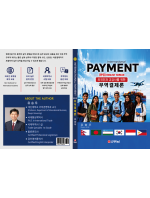
▪유 승 우
∙부산대학교 (국제통상학 박사)
∙현)대진대학교 국제경영학과 교수
∙국제무역사1급/물류관리사/공인통역사(영어)
∙사단법인 무역통상학회 부회장.
∙㈜웰콤빌트코리아 대표이사(20년,수출제조기업)
▪Sung-Woo, Ryoo
∙Ph.D. in International Trade, Pusan National University
∙Current Professor, Department of International Business, Daejin University
∙Level 1 Specialist in International Trade.
∙Certified Professional Logistician(CPL)
∙Certified English Interpreter
∙Vice President, Korean Association of Trade and Commerce.
∙CEO, Wellcom VILTER Korea Co., Ltd. (For 20 years, Export Manufacturing Company)








)
 저자 : 유승우